
Role of Surveyors in 2024 Conveyancing?
Table of Contents
Email me a free no-obligation quote
Save thousands with our 93.41% success rate
compared to a 22.86%* failure rate nationally.
* according to OnTheMarket data (OTM is one of the top 3 UK property portals alongside Rightmove and Zoopla)
Surveys are key in the conveyancing process, giving important info on a property's state and legal matters. As the estate market changes, surveyors' roles will change too in 2024. They will use new digital tech and focus more on assessing sustainability.
From mortgage valuations to detailed RICS home surveys, surveys help both new and seasoned buyers make smart choices. They are essential for anyone looking to buy a home.
Key Takeaways
- Surveyors will use digital tech like geospatial AI and remote sensing for better and more precise checks.
- Building Information Modelling (BIM) will change surveying, giving detailed, data-based insights.
- Surveyors will focus more on sustainability, looking at a property's energy use and environmental effects.
- The survey process will get faster and clearer, with quicker results and more openness.
- Choosing the right survey type, like a mortgage valuation or a detailed RICS home survey, is key to making good decisions.
The Significance of Surveys in Conveyancing
Surveys are key in the conveyancing process. They give buyers a full view of the property they want to buy. Experts do these inspections to check the property's condition. They look for any issues that could affect the buyer's choice.
Defining Surveys and Their Purpose
Surveys are thorough checks of a property done by trained surveyors. Their main aim is to see how good the building is. This includes checking the structure, roof, plumbing, and electrical systems. Surveyors search for damage like damp, structural issues, or other problems that need fixing.
Distinguishing Surveys from Conveyancing Searches
Surveys and conveyancing searches are not the same thing. Surveys look at the property's physical state. Conveyancing searches look at the legal and planning sides, like public rights of way or future development plans. Both are vital for a full view of the property and its area, helping buyers make smart choices.
Surveys are very important in conveyancing. They help find any problems and let buyers talk about the price or even walk away if the issues are big. This careful checking means buyers know what they're getting into and can make a choice that fits their needs and budget.
| Surveys | Conveyancing Searches |
|---|---|
| Focus on the physical condition of the property | Focus on the legal and planning aspects of the property |
| Identify potential issues, such as structural problems, damp, or other concerns | Provide information about public rights of way, development plans, and other legal considerations |
| Help buyers make informed decisions about the purchase | Complement the information gathered from the surveys |
Knowing how surveys help in conveyancing lets buyers make better choices. They can be sure they're getting a property that suits their needs and expectations.
Read more
- Finding Reliable Conveyancing Solicitors Near You
- Steps to Find the Perfect Conveyancing Solicitor
- Locating the Best Property Conveyancer Near You
- The Role and Benefits of Hiring Professional Property Conveyancers
Surveyors in 2024: Embracing Digital Transformation
The world of surveying is changing fast, with surveyors in 2024 leading the charge. They're using new technologies to change how we look at property. This gives buyers a full view of a property's state and its effect on the environment.
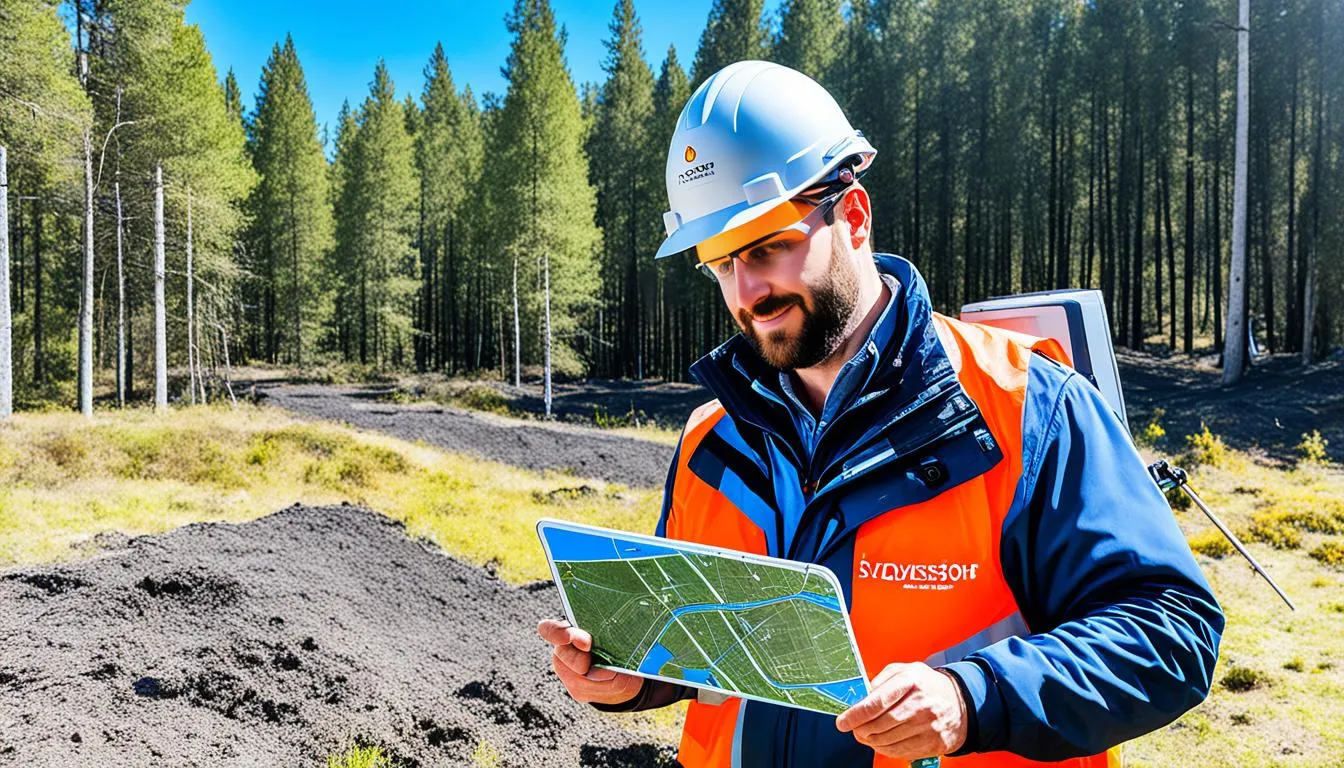
At the heart of this change is geospatial AI. This tech helps surveyors inspect properties more accurately and efficiently. With remote sensing technologies, they can collect lots of data. This includes the property's structure, energy use, and how green it is. This helps buyers make better choices.
Surveyors are also using BIM (Building Information Modelling) to make detailed 3D models of properties. This makes it easier to see and understand properties. It also helps them work better with other professionals in the buying process.
Now, sustainability assessments are key for surveyors. They look at how a property affects the environment. This gives buyers important info on a property's future costs and benefits. It helps them pick properties that fit their goals and budgets.
| Technology | Application | Benefits |
|---|---|---|
| Geospatial AI | Accurate property inspections | Comprehensive insights into property condition and environmental impact |
| Remote Sensing | Detailed data gathering on structural integrity, energy efficiency, and sustainability features | Empowered decision-making for buyers |
| BIM Integration | 3D modelling and visualisation of properties | Streamlined surveying process and enhanced collaboration |
| Sustainability Assessments | Evaluation of a property's environmental impact | Valuable insights for buyers to make sustainable choices |
Surveyors in 2024 are at the heart of this digital change. They're using new tech to give buyers a deep understanding of properties. This makes the buying process better for everyone.
"The future of surveying is digital, and surveyors who embrace this transformation will be well-positioned to deliver exceptional value to their clients."
Read more
- Discover the Top Qualities of the Best Conveyancers
- How to Find the Best Conveyancer Near You
- Understanding Conveyancing Costs: A Comprehensive Guide
- Why You Need a Conveyancing Lawyer for Your Property Transaction
- A Detailed Look at Conveyancing Solicitors' Fees
Surveying Process: From Booking to Reporting
Booking your survey is the first step in the process. It's important to book early to avoid delays. The time it takes to complete a survey depends on the type you need. For example, a RICS Home Survey Level 3 usually takes longer than others.
Booking and Timelines
When you book your survey, think about the timeline. It might take a few days to book, and the actual survey could be weeks or months away. This depends on the surveyor's schedule and how busy they are. The type of survey, the property's location, and the season can also affect the timeline.
On-Site Inspection and Reporting
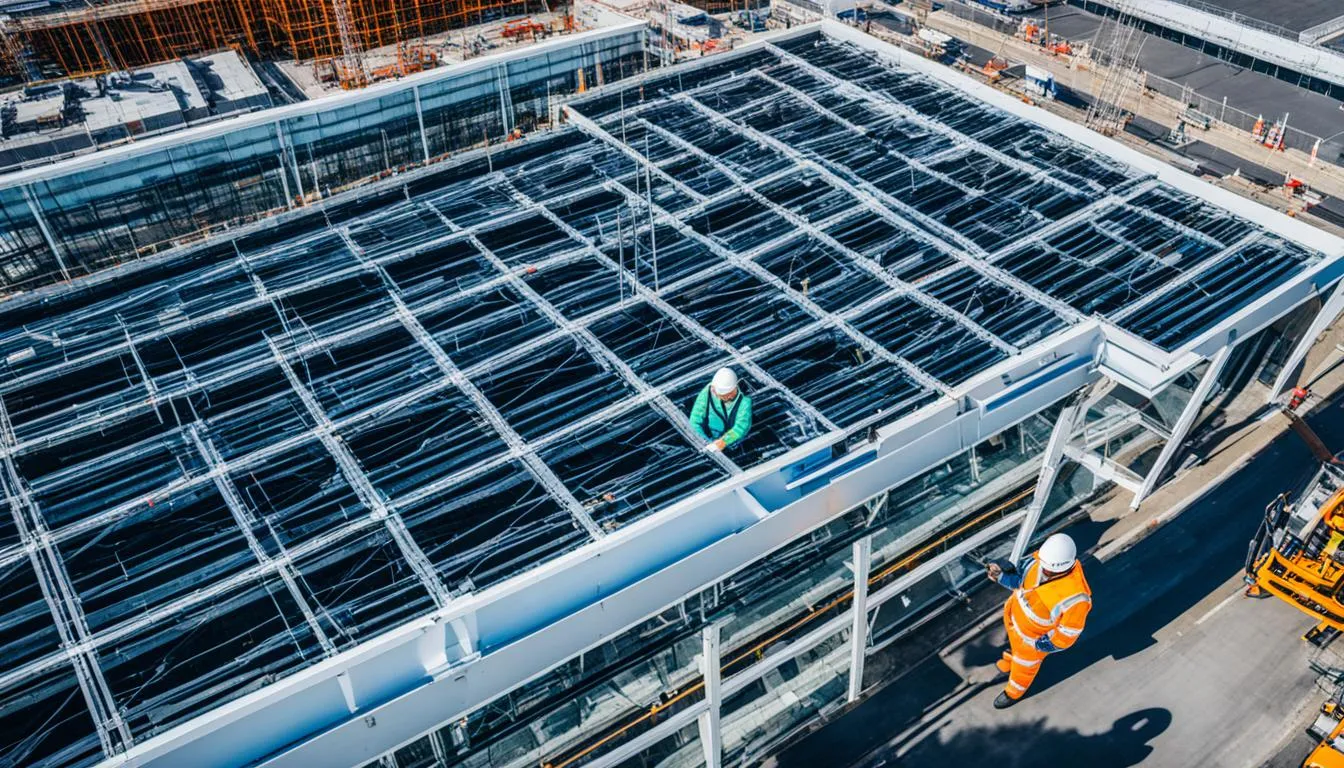
During the on-site visit, the surveyor will inspect the property, look for issues, and note them. They might also take photos to support their findings.
After the visit, the surveyor will write a detailed report. This report will go to the buyer for their review. It will give a full check-up of the property's state. It will point out any problems or things that need more work.
Choosing the Appropriate Survey
When buying a property, picking the right survey is key. You should think about the property's age, type, and condition. For new or well-kept homes, a Mortgage Valuation Survey or RICS Home Survey Level 1 might do. But, for older or worn-out homes, a more detailed RICS Home Survey Level 2 or Level 3 (Building Survey) is needed.
The cost of the survey matters, but it's not the main thing to think about. The choice should be based on the property's features. This way, buyers can understand its true state and risks. By looking at the factors to consider when choosing a survey, buyers can make a smart choice and avoid surprises or high costs later.
Assessing Property Age and Condition
The age and condition of the property are key to picking the right survey. Older homes or those showing signs of wear need a thorough RICS Home Survey Level 2 or Level 3 (Building Survey). These surveys give a detailed look at the property's condition. They highlight any issues and what repairs or updates might be needed.
Considering Survey Cost
The survey cost is important, but it shouldn't lead to your decision. It's better to focus on the property's features and get a full understanding of its state. Even if it means spending more on a detailed survey, knowing the property well is worth it. This knowledge can save you money and trouble in the long run.
"I bought a flat that had been repossessed and it was a very tricky transaction. Nazia and her team worked tirelessly to get it over the line and eventually they did it! They even sent me a really brilliant hamper on moving day as a welcome. This was unexpected and such a lovely gesture. Thank you!" - Sarah, a satisfied AVRillo customer.
Conclusion
Surveys are key in the conveyancing process, giving deep insights into a property's condition and legal status. They are vital for both first-time buyers and those moving again. Knowing the value of surveys helps make a UK property purchase successful and informed.
Surveys give buyers a full view of the property. This helps them make smart choices and plan for repairs or updates. With this information, buyers can negotiate better and get a home that fits their needs and budget.
The surveying process is now more digital, making it faster and easier for buyers. This change helps both new and experienced buyers make better decisions. It makes the complex process of buying a property easier and more confident.
Related:
- Residential Conveyancing Solicitor in Enfield
- Top-Rated Conveyancing Solicitors in Southampton
- Get A Conveyancing Quote From Property Conveyancing Solicitors in Portsmouth
- Experienced Conveyancing Solicitors in Northampton
- Top-Rated Conveyancing Solicitors in Plymouth
- Property Conveyancing Solicitor in Bristol
- Experienced Conveyancing Solicitors in Reading
FAQ
What is the role of surveyors in the 2024 conveyancing process?
Surveyors in 2024 are using new tech like geospatial AI and remote sensing. They're making property checks more accurate and quicker. This helps buyers understand a property's true condition and its effect on the environment.
What is the significance of surveys in the conveyancing process?
Surveys are key in conveyancing, giving buyers important info on a property's state and legal matters. There are different surveys, like mortgage valuations and RICS home surveys, each offering various levels of detail. Choosing the right survey is crucial for making smart choices, whether it's a first buy or a move to a new home.
How do surveys differ from conveyancing searches?
Surveys focus on the property itself, checking for issues like damp or structural damage. Searches look at the legal and planning aspects, such as public paths. Both are vital for a full understanding of what the buyer is getting into.
What is the surveying process from booking to reporting?
The surveying process begins with booking early to avoid delays. The surveyor then inspects the property thoroughly, noting any problems. Finally, they prepare a detailed report for the buyer to review.
How do I choose the appropriate survey for my property?
Choosing the right survey is crucial when buying a property. Consider the property's age, type, and condition to select the best survey level. For newer, well-maintained properties, a Mortgage Valuation Survey or RICS Home Survey Level 1 might suffice. However, for older or worn-out homes, a more detailed RICS Home Survey Level 2 or 3 might be needed. The survey's cost is important but focus on the property's specifics to understand its condition and potential risks fully.
You’re 8x times more likely to move with us than with other conveyancers.

2nd Home Stamp Duty: How Much Will You Pay?
October 1, 2024 No Comments

How Much Is a House Survey? A Buyer's Guide to Survey Costs
October 1, 2024 No Comments

 (opens in new tab)
 (opens in new tab)
 (opens in new tab)
 (opens in new tab)
 (opens in new tab)
 (opens in new tab)
 (opens in new tab)
 (opens in new tab)
 (opens in new tab)
 (opens in new tab)
 (opens in new tab)
 (opens in new tab)
 (opens in new tab)
 (opens in new tab)

 (opens in new tab)
 (opens in new tab)
 (opens in new tab)
 (opens in new tab)
 (opens in new tab)
 (opens in new tab)
 (opens in new tab)
 (opens in new tab)
 (opens in new tab)
 (opens in new tab)
Save thousands with our 93.41% success rate compared to 22.86%* failure rate nationally.
*according to OnTheMarket data (OTM is one of the top 3 UK property portals alongside Rightmove and Zoopla).