
Common Mistakes When Gazumping and How to Avoid Them
Table of Contents
Email me a free no-obligation quote
Save thousands with our 93.41% success rate
compared to a 22.86%* failure rate nationally.
* according to OnTheMarket data (OTM is one of the top 3 UK property portals alongside Rightmove and Zoopla)
As a conveyancer in the UK property market, I've seen my fair share of gazumping incidents. Gazumping can be a stressful and costly experience for both buyers and sellers. In this comprehensive guide, we'll explore the common mistakes people make when dealing with gazumping and provide practical advice on how to avoid them.
What is Gazumping?
Before we dive into the mistakes and solutions, let's clarify what gazumping is:
Gazumping occurs when a seller accepts a higher offer from a new buyer after already agreeing to sell their property to someone else. This practice is legal in England and Wales, although it's considered unethical by many.
Read more
- Finding Reliable Conveyancing Solicitors Near You
- Steps to Find the Perfect Conveyancing Solicitor
- Locating the Best Property Conveyancer Near You
- The Role and Benefits of Hiring Professional Property Conveyancers
Common Mistakes When Gazumping
1. Failing to Act Quickly
One of the biggest mistakes in the gazumping process is not acting swiftly enough.
Why it's a problem:
- Gives other potential buyers time to make competing offers
- Increases the risk of the seller reconsidering the deal
- This can lead to delays in the overall transaction process
How to avoid it:
- Be prepared with all necessary documents and finances before making an offer
- Respond promptly to any requests from your solicitor or the seller's estate agent
- Push for a quick exchange of contracts to legally secure the property
2. Not Having a 'Lock-out Agreement' in Place
Many buyers overlook the importance of a lock-out agreement when dealing with gazumping.
Why it's a problem:
- Leaves the door open for other buyers to make offers
- Gives the seller more freedom to entertain higher bids
- This can result in wasted time and money on surveys and legal fees
How to avoid it:
- Request a lock-out agreement as soon as your offer is accepted
- Ensure the agreement is legally binding and covers a reasonable timeframe
- Be prepared to pay a small deposit to secure the lock-out period
3. Underestimating the Importance of Building Rapport
Building a good relationship with the seller is often overlooked in the gazumping process.
Why it's a problem:
- Makes it easier for the seller to consider other offers
- This can lead to communication breakdowns and misunderstandings
- This might result in the seller feeling less committed to the deal
How to avoid it:
- Maintain open and friendly communication with the seller
- Show genuine interest in the property and its history
- Be understanding of the seller's situation and timeline
4. Neglecting to Secure Mortgage Approval Early
Failing to get a mortgage agreement in principle before making an offer is a common mistake in the gazumping process.
Why it's a problem:
- Delays the buying process, giving others time to gazump
- May make you appear less serious or financially prepared to the seller
- Can lead to last-minute financing issues that jeopardise the deal
How to avoid it:
- Obtain a mortgage agreement in principle before house hunting
- Have all necessary financial documents ready for quick mortgage processing
- Consider using a mortgage broker to expedite the process
5. Not Being Prepared for Additional Costs
Many buyers fail to account for all the costs associated with buying a property, leaving them vulnerable to gazumping.
Why it's a problem:
- May lead to financial strain, making it difficult to increase your offer if necessary
- Can cause delays in the buying process, opening the door for gazumping
- Might result in you having to pull out of the deal, losing the property
How to avoid it:
- Budget for all potential costs, including:
- Stamp duty
- Conveyancing fees
- Surveys and valuations
- Moving expenses
- Have some extra funds set aside for unexpected costs or to increase your offer if needed
6. Overlooking the Importance of a Good Conveyancer
Choosing the wrong conveyancer or not engaging one early enough is a critical mistake in the gazumping process.
Why it's a problem:
- Can lead to delays in the legal process, giving time for gazumping to occur
- May result in overlooked legal issues that could jeopardise the sale
- Might lead to poor communication between parties, increasing the risk of misunderstandings
How to avoid it:
- Research and choose a reputable conveyancer with experience in your local market
- Engage a conveyancer as soon as your offer is accepted
- Ensure your conveyancer is proactive and communicates regularly with all parties
7. Failing to Conduct Property Surveys Promptly
Delaying property surveys is another common mistake that can lead to gazumping opportunities.
Why it's a problem:
- Extends the time between offer acceptance and exchange of contracts
- May uncover issues that require renegotiation, giving the seller a chance to reconsider
- Can lead to last-minute surprises that might derail the sale
How to avoid it:
- Schedule a property survey as soon as your offer is accepted
- Choose the appropriate level of survey for the property's age and condition
- Be prepared to act quickly on any issues uncovered by the survey
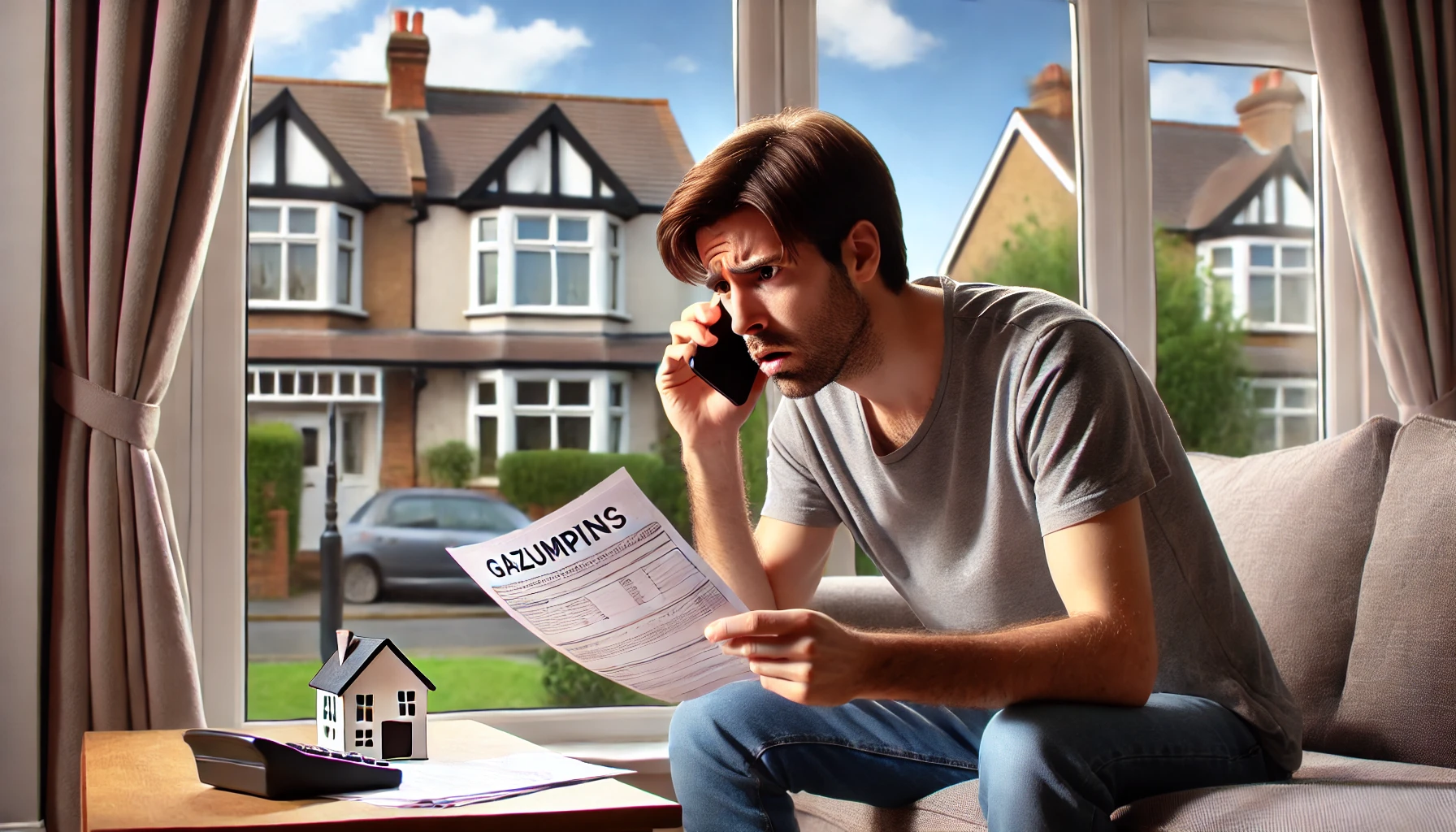
8. Not Understanding the Legal Process
Many buyers enter the property market without a clear understanding of the legal process, leaving them vulnerable to gazumping.
Why it's a problem:
- Can lead to unrealistic expectations about timelines
- May result in missed opportunities to secure the sale legally
- Might cause unnecessary stress and confusion during the buying process
How to avoid it:
- Educate yourself on the steps involved in buying a property
- Ask your conveyancer to explain any parts of the process you're unsure about
- Stay informed about the progress of your purchase at each stage
9. Ignoring the Possibility of Gazumping
Some buyers make the mistake of assuming gazumping won't happen to them.
Why it's a problem:
- Leaves you unprepared if gazumping does occur
- May result in a lack of urgency in progressing the sale
- Can lead to emotional distress if you're caught off guard by a gazumping attempt
How to avoid it:
- Be aware that gazumping is a possibility until contracts are exchanged
- Take proactive steps to prevent gazumping from the outset
- Have a plan in place for how you'll respond if gazumping occurs
10. Not Having a Backup Plan
Failing to consider alternative options is a mistake that can leave you in a difficult position if gazumping occurs.
Why it's a problem:
- Can lead to rushed decisions if you lose out on your preferred property
- Might result in overpaying to secure the property if gazumped
- May cause unnecessary stress and anxiety during the buying process
How to avoid it:
- Keep an eye on other properties even after your offer is accepted
- Consider your options for increasing your offer if necessary
- Have a clear idea of your absolute maximum budget
Read more
- Discover the Top Qualities of the Best Conveyancers
- How to Find the Best Conveyancer Near You
- Understanding Conveyancing Costs: A Comprehensive Guide
- Why You Need a Conveyancing Lawyer for Your Property Transaction
- A Detailed Look at Conveyancing Solicitors' Fees
How to Protect Yourself from Gazumping
Now that we've covered the common mistakes, let's look at some additional strategies to protect yourself from gazumping:
- Act fast: The quicker you can progress to exchange of contracts, the less time there is for gazumping to occur.
- Be prepared: Have all your finances, documents, and team (conveyancer, surveyor, etc.) ready to go.
- Communicate clearly: Keep in regular contact with the seller, estate agent, and your conveyancer.
- Consider insurance: Some policies can cover your costs if you're gazumped.
- Request property removal: Ask the seller to take the property off the market once your offer is accepted.
- Be flexible: If possible, try to accommodate the seller's preferred timeline for the sale.
- Get it in writing: While not legally binding, a written agreement can add a moral obligation.
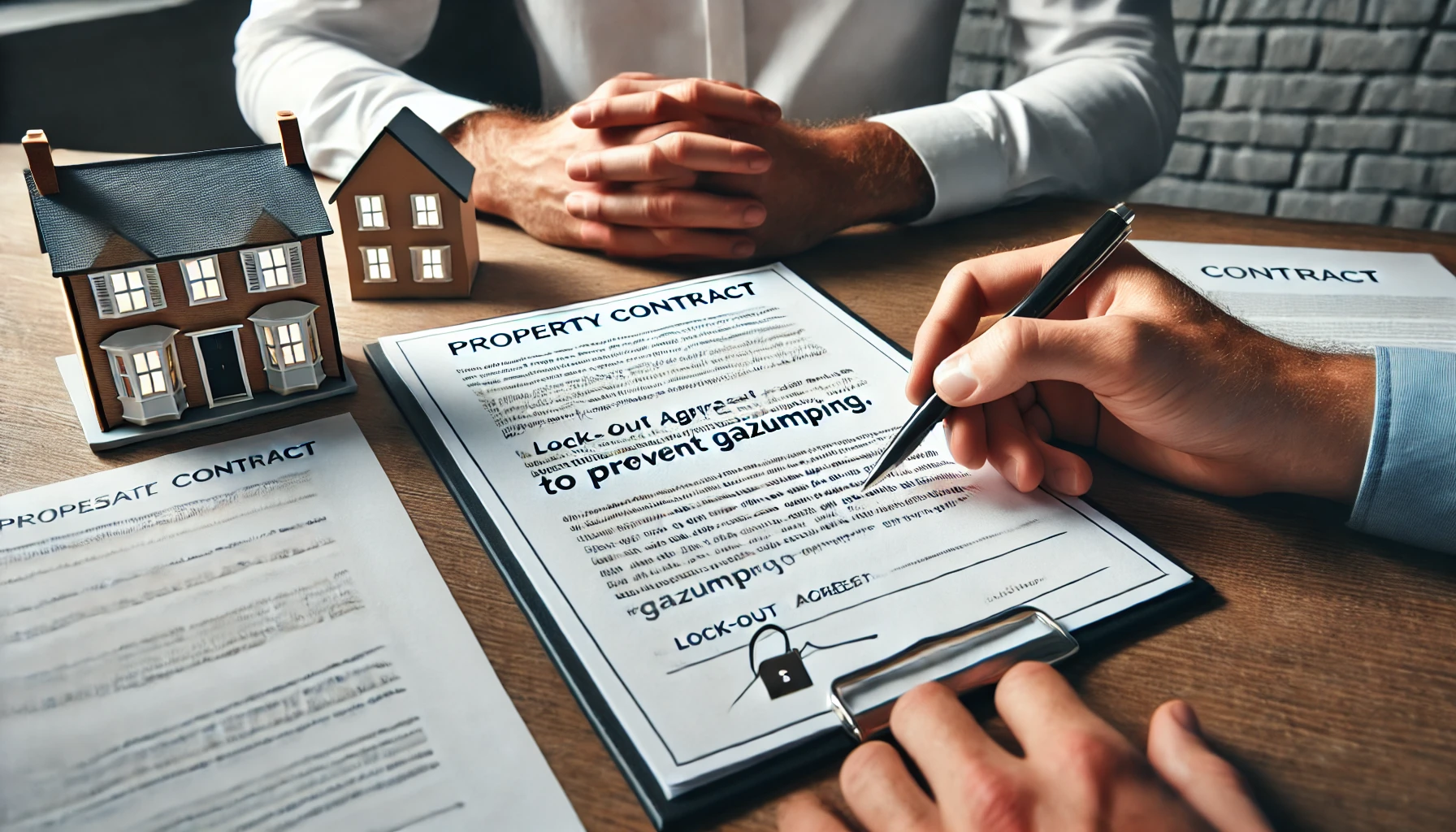
The Role of a Conveyancer in Preventing Gazumping
As a conveyancer, I play a crucial role in helping clients avoid gazumping. Here's how:
- Speedy processing: I ensure all legal work is completed as quickly and efficiently as possible.
- Clear communication: I maintain regular contact with all parties to keep the process moving.
- Expert advice: I provide guidance on steps to take to minimise the risk of gazumping.
- Legal protection: I can draft lock-out agreements and other legal documents to protect your interests.
"AVRillo took care of every detail of our property sale and purchase process, and were always available to chat whenever we needed clarification. We're grateful to them for their help throughout. They left no detail to chance and made sure we had every base covered as we bought our new home." - Victoria, a satisfied AVRillo customer.
Conclusion
Gazumping can be a frustrating and costly experience, but by avoiding these common mistakes and following the advice provided, you can significantly reduce your risk. Remember, the key is to be prepared, act quickly, and work with experienced professionals who can guide you through the process.
As a conveyancer, I'm here to help protect your interests and ensure a smooth property transaction. If you have any questions about gazumping or the property buying process in general, don't hesitate to reach out to a qualified conveyancer in your area.
By staying informed and taking proactive steps, you can navigate the UK property market with confidence and increase your chances of a successful purchase, free from the worries of gazumping.
Related:
- Residential Conveyancing Solicitor in Enfield
- Top-Rated Conveyancing Solicitors in Southampton
- Get A Conveyancing Quote From Property Conveyancing Solicitors in Portsmouth
- Experienced Conveyancing Solicitors in Northampton
- Top-Rated Conveyancing Solicitors in Plymouth
- Property Conveyancing Solicitor in Bristol
- Experienced Conveyancing Solicitors in Reading
Frequently Asked Questions About Gazumping
To further assist you in understanding and dealing with gazumping, here are answers to five frequently asked questions:
1. Is gazumping legal in the UK?
Yes, gazumping is legal in England and Wales. Until contracts are exchanged, neither the buyer nor the seller is legally bound to the transaction. This means that a seller can accept a higher offer even after verbally agreeing to sell to another buyer. However, it's worth noting that gazumping is illegal in Scotland, where different property laws apply.
2. Can I sue the seller if I'm gazumped?
Generally, you cannot sue a seller for gazumping in England and Wales. Since the agreement isn't legally binding until contracts are exchanged, the seller has the right to accept other offers. However, if you've incurred significant costs (like surveys or legal fees) due to the seller's actions, you might be able to claim for damages if you can prove the seller acted in bad faith. It's best to consult with a legal professional in such situations.
3. How common is gazumping in the UK property market?
The frequency of gazumping tends to fluctuate with market conditions. In a "hot" seller's market with rising prices, gazumping becomes more common. According to recent surveys, around 25-30% of homebuyers have experienced gazumping at some point. However, this can vary significantly depending on the location and current market trends.
4. Can estate agents prevent gazumping?
While estate agents cannot entirely prevent gazumping, they can take steps to reduce its likelihood. Ethical estate agents may:
- Encourage sellers to honor their agreements
- Refuse to pass on higher offers once a sale is agreed
- Advise sellers on the risks of accepting a higher offer (such as potentially losing the sale altogether)
However, estate agents are legally obliged to pass on all offers to the seller until contracts are exchanged, unless the seller has expressly instructed them not to do so.
5. What is 'gazundering' and how does it differ from gazumping?
Gazundering is essentially the opposite of gazumping. It occurs when a buyer lowers their offer at the last minute, just before contracts are exchanged. Like gazumping, gazundering is legal but considered unethical. The key differences are:
- Gazumping is initiated by the seller (accepting a higher offer), while gazundering is initiated by the buyer (lowering their offer)
- Gazumping typically happens earlier in the process, while gazundering often occurs very close to the exchange of contracts
- Gazumping is more common in a rising market, while gazundering is more likely in a falling market
Both practices can be frustrating and costly for the affected party, and both highlight the importance of moving quickly to exchange contracts in a property transaction.
These FAQs provide additional context and information about gazumping, helping readers to better understand this aspect of the UK property market. Remember, if you're involved in a property transaction and have concerns about gazumping, it's always best to consult with a qualified conveyancer or legal professional for personalised advice.
You’re 8x times more likely to move with us than with other conveyancers.

2nd Home Stamp Duty: How Much Will You Pay?
October 1, 2024 No Comments

How Much Is a House Survey? A Buyer's Guide to Survey Costs
October 1, 2024 No Comments

 (opens in new tab)
 (opens in new tab)
 (opens in new tab)
 (opens in new tab)
 (opens in new tab)
 (opens in new tab)
 (opens in new tab)
 (opens in new tab)
 (opens in new tab)
 (opens in new tab)
 (opens in new tab)
 (opens in new tab)
 (opens in new tab)
 (opens in new tab)

 (opens in new tab)
 (opens in new tab)
 (opens in new tab)
 (opens in new tab)
 (opens in new tab)
 (opens in new tab)
 (opens in new tab)
 (opens in new tab)
 (opens in new tab)
 (opens in new tab)
Save thousands with our 93.41% success rate compared to 22.86%* failure rate nationally.
*according to OnTheMarket data (OTM is one of the top 3 UK property portals alongside Rightmove and Zoopla).